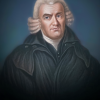
AuthorJohn Brown of Haddington (1722-1787)

John Brown of Haddington (1722–1787) was a prominent Scottish theologian and author, renowned for his erudition and piety in the 18th century. Born into poverty, Brown was largely self-taught, mastering several languages including Hebrew, despite having limited formal education. He became the minister of the Burgher branch of the Secession Church in Haddington, East Lothian, and was esteemed for his deep knowledge of the Bible and his fervent evangelical preaching.

Brown authored numerous works, the most famous being the Self-Interpreting Bible, which showcased his commitment to making the scriptures accessible to ordinary people. His legacy endures through his writings and the continued influence on Presbyterian thought and piety.

The Singing of Psalms

T
No part of the Christian worship is more plainly warranted by the oracles of God than the ordinance of Singing of Psalms. The ancient Hebrews practised it at the Red Sea before their system of ceremonial worship was prescribed them by God (Exod. 15). It was preferred to the most pompous sacrifices, even while the ceremonial observances remained in their vigour (Ps. 69:30–31). The divine obligation to it remained in full force when the ceremonial law, with all its rites, was abolished (Ps. 47:1–7; 67:4; 100:1–4; Eph. 5:19; Col. 3:16; James 5:13). We have it enforced with the most engaging example of the angels who kept their first estate (Job 38:6–8; Luke 2:13–14; Rev. 5:11–12), and of apostles and saints (Acts 16:25; 1 Cor. 14:15, etc.); nay, of our Redeemer himself (Matt. 26:30). This exercise, performed in a manner suited to the dignity of the glorified state, will be the everlasting employ of established angels and ransomed men (Isa. 26:19; 51:11; Rev. 5:9–13).

Religious Stedfastness Recommended

R
Dear friends, our communicating work at this time is over; our preaching and your hearing work is almost over; but our account for these things is still before us—who knows how near! Let us think what we have done, and what we have got, that will abide the trial. In this solemn charge of Heaven, now read and directed to your conscience and mine, we have: 1) An awful warning of the future judgment, from the lips of the Judge: Behold, I come quickly. 2) A solemn charge to take heed to ourselves in the view of our certain and sudden appearance before God, the Judge of all. Hold that fast which thou hast, that no man take thy crown.

Advice for Children

A
Believing that God hath made with me, and with my seed after me, his everlasting covenant, to be a God to me and to my seed, I did, in your baptism, and often since, and now do, before God and his angels, make a solemn surrender of you all into the hands of my God, and my father’s God, and of the God of your mother, and her father’s God; and in the presence of that God, and as ye shall answer at his second coming, I charge you:

Recent Posts

Popular Tags