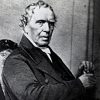
Selected From: Rev. Alexander Macleod, Diary and Sermons of the Rev. Alexander Macleod, Rogart (Robert Caruthers & Sons, “Courier” Office, Inverness, Scotland, 1925), Sermon III.
We are all in a state of trial and probation, for a permanent and eternal existence in another world. The space in which we move is but short at best, and by several circumstances very much contracted; but short and contracted as it is, scenes of the most weighty and important nature are transacted upon it. Man in his present fallen condition is truly forlorn. He is appointed to endure many severe afflictions, which he can neither foresee nor prevent. In the distribution of afflictions there is no doubt but the unerring wisdom acts, nor can chance have any place in His vast dominions, where even a sparrow falleth not to the ground without Him.
It is true that in our short-sighted apprehensions, the distribution appears very unequal, but humility and entire resignation are our bounden duties; for here we know but in part. Men’s natural dispositions are as different as the complexion of their faces; nor can we imagine that the same measure of afflictions will answer the end of their discipline. Hence it is that among those who are evidently the children of God, we see some whose heads continually hang down as the bulrush, while others have comparatively no severe dispensations to endure. Even among the wicked, this seeming partiality may be discerned. There is no question, however, but the end of these different dispensations is that they may be disciplined and prepared for a state of infinite perfection, when all tears shall be wiped away from their eyes.
Those for whom these afflictions have not answered these ends, but, like Pharaoh, harden themselves in wickedness, shall be left inexcusable. It often happens that the dearest and nearest child of God feels most of the bitterness of the rod: “in this world ye shall have tribulation.” We may rest assured, however, that there cannot possibly be one needless drop in their cup, for it is measured out by the unerring wisdom of their beneficent Father. A believer without afflictions and crosses has reason to doubt his sonship, “for whom the Lord loveth He chasteneth, and scourgeth every son whom He receiveth.” Here the excellency of our holy religion appears that it not only calls us to endure afflictions, but makes them productive of the most invaluable advantage to those who are exercised therein.
The inspired penman of this Psalm had to endure not an ordinary measure of these afflictions, both before and after he became king over Israel, but he was not left destitute or unaided; he had experienced that God’s strength was made perfect in weakness. From the experience he thus had of the divine help in every time of trouble, he gives it as his advice to all in similar circumstances to follow the same method. With God there is no respect of persons. He is equally ready to succour and help the weakest believer as He was to help David; and when they follow the same course, “out of weakness they are made strong.” I presume there are some now present who have experienced the truth of God’s promises, that His strength is made perfect in their weakness. There is none without his own burden. Some may think that there is no other more uncomfortable than themselves; some may go so far as to suspect the safety of their condition, and speak bitter things against themselves. In order by the divine blessing to give some direction and help to these heavy-laden and weary souls, it is my design to show:
I. Some of those many burdens which every believer may be presumed to have.
II. How we are to cast these burdens upon the Lord, or what is implied in so doing.
III. Clear up the import of the promises, “He shall sustain thee.”
IV. Practical inferences.
I would earnestly solicit the patient and attentive hearing of all who are now present, that they may have an opportunity of knowing whether they have a title to be numbered among the true disciples of Jesus and hear Him invite them, saying, “Come unto Me.”
1. Some of the burdens which every believer may be presumed to have.
1) Sin is a most grievous, a heavy and a dangerous burden. This is a burden we have brought with us into the world and, while we remain here, with which we must struggle. There are many who now hear me that may have no feeling of this burden; and how can they – seeing they are all, in a spiritual sense, dead in trespasses and sins. They have such a weight of sin upon them as will be more than sufficient (unless they are relieved from it) to sink them down to the lowest hell and keep them there throughout the endless ages of eternity. Like a man immersed under water, who feels no weight from a quantity the hundred-thousandth part of which he would be unable out of the water to bear. But when the divine life is communicated by the Spirit of God, the feelings are restored to the once dead and insensible soul. While one is dead, he is in the land of silence where no complaint is heard, but when life is restored, the person feels and complains. The Apostle Paul informs us that he was alive once without the law, that he thought himself a good man, and wanted a feeling sense of the burden of sin, but when the commandment came, sin revived and he died. The burden he had felt brought him down to the ground; he found himself unable to bear up under it. There was a strong and, on the part of the Apostle, an unavailing struggle; the soul now quickened felt the burden of sin, and unable either to bear it or extricate himself from it, he exclaimed, “O wretched man that I am, who shall deliver me from the body of this death.” The body of sin had affected all the powers of his soul, and not withstanding that it was deeply felt, he could do nothing towards rescuing himself (Rom. 7:24). Nor was this peculiar to the Apostle only; he speaks the experience of all the people of God. Sin is their daily and most grievous burden. They would rise upon the wings of faith and make their escape from the world of troubles, but sin as a weight prevents them. They would hold spiritual converse with God, but sin intervenes. They would have their conversation in heaven, but sin prevents their mind from acquiring the spirituality of affection which is necessary for that employment. They would, with unwearied perseverance and daily advancement, go towards Zion as travelers to that happy country, but the burden of sin prevents them from making but a small progress. This burden is much more so to some than others. And perhaps those sins which never come to light, yea, which they never committed, bear heavier upon them and prove their greatest burden. The Psalmist felt this burden (Ps. 38:4). Every believer does the same and longs exceedingly to be relieved from it, “he groans being burdened.” We should therefore lay aside every weight and more especially that sin which doth so easily beset us that we may run with patience (though not sinless) the race that is set before us (Heb. 12:1).
2) The hiding of God’s countenance from the soul is a burden, weighty and unsupportable, to the believer. Sin is not only the worst of evils in itself, but also the cause of all the other evils man is appointed to endure. It is a matter of no small astonishment that we are in general so fond of our greatest tormentor. Among the other great evils which sin introduced into the world, that complete and universal alienation which it has made between the Creator and His creatures is by no means the least. This of itself is misery enough. There is no happiness for a rational being but in God. Sin made God, in whom is no enmity, an enemy to us; and man, in the constitution of whose original nature there was no enmity, is now enmity itself. Nor is this all; the highly-favoured few, who, through the mercy and free love of God in Christ, have been readmitted into favour and intimate fellowship with Him, have reason with David to exclaim that God hides His countenance from them, and they are brought low. The soul-excruciating pain of desertion is felt by none except those who are admitted into nearness and fellowship with God, who upon some favoured seasons, can say with the disciples, it is good for us to be here; and we may observe that the degree of distress wherewith the soul is affected upon the hiding of God’s countenance, corresponds with the degree of intimacy enjoyed. Those who are only mere professors of religion desire no more of it than such a measure of knowledge as shall enable them to pass through the world with a reputation, but the sincere believer desires to have the life of religion, and the life of religion is fellowship and communion with God – who is not the God of the dead, but of the living. This man alone can say that it is sweeter to him than honey, than the honeycomb (Ps. 19:10). He has not only seen, but also tasted that the Lord is good. The life of faith is the Christian’s life, but the communion with God which His people enjoy with Him upon some seasons depends not upon faith. They may have a faith’s view of God when they have not an experimental communion with Him; so that we have here two distinct considerations. Sometimes the hiding of God’s countenance refers only to one of these: we may have faith in exercise, when we are very low in our experience. This was the case with David, as he expressed it in Psalm 42. New converts in the day of their espousals live more by experience than by faith. Can the children of the bride chamber mourn while the bridegroom is with them? But the day is coming when the bridegroom shall be taken away from them, and then shall they mourn in those days. Hence we are not to imagine that God’s providential care shall ever be withdrawn from His people: “My presence shall go with you, and I shall give you rest.” But it implies that in our experience, we are not uniformly to enjoy the same sense of His gracious presence, which upon some occasions we are permitted to enjoy. What a cloud came over the mind of the disconsolate disciples when Jesus was in the grave. Those who have been in similar circumstances can best tell. The reason why God thus withholds the influence of His Spirit in their experiences from His people is in some measure concealed from us. He giveth no account of any of His matters. We know that it proceeds from love. Sometimes it arises from unwatchful or unguarded action of His people. They may have forgotten it, but when they feel their souls bereaved of comfort, they then confess that it is an evil thing and a bitter that they have forsaken the Lord. Perhaps they may not discover the reason, and yet from God’s dealings towards them, they know they have offended Him. Like an obedient wife whose happiness depends upon the smiles of her affectionate husband, or a dutiful son who anxiously wishes to please his father, the believer would anxiously know wherein he has offended, and would suffer any infliction rather than to want the smiles of his Father and his God. But I presume that some of the desertions of believers may arise from the infinite wisdom of God towards them, in order to prepare them for some extraordinary discovery of Himself, or some change that is to happen in their situation. But from whatever cause it arises, it is an uncomfortable situation, and when a believer comes the length of losing sight of his resignation as a duty he owes to God, it becomes intolerable (Ps. 70).
3) The believer’s doubts, as to his interest in the benefits of the everlasting covenant, well ordered in all things and sure, is another heavy burden. As another evil consequence of sin, we are under sentence of condemnation to the holy and good law of God, having lost our ability of giving that perfect obedience which it requires. We are, therefore, upon the terms of the first covenant, outcasts, and have most justly forfeited every claim to any of the benefits we had secured to us in the covenant. The last breath we draw is only from the unmerited goodness of God. But the Lord was pleased to establish with His people in Christ a new and unalterable covenant. In this covenant, the forfeited right and lost blessings are restored. They are sure to all the seed, and they have as unquestionable a title to them as Adam in innocence had to all that God promised him. That this covenant is made with Christ and ratified by His blood is every believer’s salvation and all his desire. But if the covenant is made with Christ as head and representative of His people, it is but just and reasonable that, while He stands according to the stipulations of the covenant, those who are interested in it, for whose sake He entered into such an engagement, should be partakers of the benefits of the covenant. Unless this had been the case, to speak with reverence, we could not say that justice would be done to the covenant Head. We find, therefore, that there is no believer but receives these covenant blessings. It is also the first concern of every Christian to know in whom he has believed, and to taste of covenant love in covenant mercies. This is as unquestionable an evidence and much more so than if an angel came from God with the same message with which he came to the blessed virgin. Yea, it is as certain as if God, with an audible voice, declared that one is a child of the covenant. Covenant benefits can only come to the children of the covenant. The children’s bread cannot be given to dogs. Christ undertook and accomplished the work for those that the Father had given Him from eternity. Nor need anyone examine into this secret mystery; let him rather know if his state bespeaks him to be among the redeemed of the Lord Jesus. There are some who have no doubt in their minds but they are God’s children in the covenant of grace. It becomes them to take heed how they walk. There are others, and the greatest number, who, notwithstanding that they are as certainly interested in the covenant as the former, can scarcely believe it. They dare not say, but they may be, but they dread they are not. They are prevented from utter despair, but they are often on the brink of that pit. This is a most severe burden, and naturally resulting from the former. These doubts arise from within and from without. The experience of sin and sinful corruptions working from within, the promises so completely locked up that the believer dares not look to them. Unbelief and the evil suggestions of Satan will misrepresent the promises, and even doubt their veracity (Ps. 116:11). When he considers the advanced state of other believers, he does rejoice, but instead of being encouraged, he rather concludes that, were he one of God’s children, he would partake of their privileges. He can find no parallel to himself among the people of God; he often repents and bitterly laments that ever he presumed to take the children’s bread. This is a most unsupportable burden to an awakened soul, who knows and firmly believes that there is no other name given under heaven among men whereby he can be saved, but that of Jesus alone. These doubts and dismal apprehensions may be in part constitutional. They are however, in some degree or other, felt by true believers. They should be cast upon the Lord. He shall sustain us. The manner of casting them upon Him comes to be considered under another head, but let none imagine that this case is peculiar to him alone. It is the lot of many of God’s children. Be not content, however, in the condition, but believe that you may be a child of the covenant, although you may not have the appearance of it. Distinguish yourself from the formal hypocrite by not contenting yourself with a probability, but aspiring to a certainty.
4) Their duties are a burden to believers. This may on first hearing surprise some who are not acquainted with the experience of believers. But to make this in their view a greater paradox, their duties are their burden and their pleasure. They feel an ardent, growing desire for the duties of their holy faith as they advance in the spiritual life. But their minds are enlightened to see and believe the immaculate holiness and spotless purity of God. They know that He is a Spirit, and they that serve Him acceptably must do it in spirit and in truth. They, on the contrary, find themselves under the influence of carnal and dead affections; they mourn after that fervour and warmth in devotion, which, though it cannot recommend them to the favour of God, would indicate the indwelling habitation of His Holy Spirit. They would do good, but evil is present with them. They would go unto God as their chiefest joy and glory in Him, but they find a deadness and indifference. Even their most solemn duties, where they expected comfort, are rendered uncomfortable to them by the intrusion of vain thoughts; and sometimes they retire from the house of God much more burdened in this respect than when they entered it. They are often in a strait between two: they fear that their duties may provoke the Spirit of God to withdraw, and yet they cannot refrain from duties. Nor is this occasionally: some even complain that they have reason to fear that no duty of the Christian life had ever been rightly performed. They sometimes doubt their sincerity, and any commendation from men grieves and humbles them. They exclaim from a sense of deadness, “Awake, O north wind, and come thou south.”
5) The temptations of Satan are a burden to believers. In this wilderness of their pilgrimage, the people of God are exposed to many hardships; they are in themselves a poor, defenseless people. Among other things which make their journey through life often uncomfortable, they must feel the stings of fiery flying serpents. The Apostle’s complaint, in the experience of every child of God, holds still true, “and we are not ignorant of his devices.” There are some of God’s people who have more discernment than others to know his temptations. There are some who, from their natural temper and other circumstances, are less exposed than others. Some, from a long experience of his attacks, are not much disconcerted, at least till he makes use of new methods. Some are tempted to such abandoned vices as they would not communicate to their nearest connections or their most confidential friends. They find their hearts, contrary to their wishes, open to his attacks. They find, even in the most solemn part of their duties, that the heart, by the evil suggestions of the enemy, is carried away. Nay, sometimes they are compelled to abandon a commanded duty. They hear his secret whisperings carrying away their attention. They pray against it, and yet their smart is not eased. Upon some occasions, they have relief, but after that his temptations are renewed with redoubled fury. The more seeming relation and zeal they discover for Christ, they are the more distressed by the cunning and craft of the old serpent. Cast this burden upon the Lord.
6) The present melancholy and unpromising state of the church of Christ and its members is another grievous burden to the believer. It is an undoubted evidence of a Christian temper to have his mind expanded and enlarged by universal philanthropy for all men. Every true believer is of a public spirit, yea, the cause and glory of Christ concerns him much more than his own private interest and even his eternal salvation. Seeing that he has a union with Christ and the members of His mystical body, he has a particular and abiding concern for his mother, the church. Thus we find the believing soul expressing himself in Song 8:2. We justly despise that son who denies and disregards the influence which natural affection has over him; nor can the most dutiful attention repay the care and painful distress of a mother. It is no less unnatural for children of the same family to be indifferent about one another’s welfare. Between Christ and believers who are begotten by the gospel, there is a much more intimate relation. They are members of one body. They are under the influence of one Spirit, they are children of one family. They are joint heirs with Christ, of the same glorious hope. Every believer feels an interest in the church of Christ. He rejoices over it, and mourns when the cause of Christ is not triumphing. When he perceives the marks of an angry God towards the church, when he sees judgments drawing nigh, when he sees Satan successful, then is his time to encourage, warn, and admonish, earnestly and unceasingly imploring the return of God’s favour and His exercising protection over His church. There is much reason to mourn and lament over the cause of God in our days; who, that is, in any measure animated by the same Spirit, but will unite with the weeping prophet in Jeremiah 9. But although the union of believers with one another exceeds that of natural affection, it by no means eradicates it. On the contrary, it raises it to a degree of which a natural person is never susceptible: it begets a concern for the immortal part. It not infrequently happens that godly persons have very ungodly and wicked relatives. Adam had a Cain in his family; Aaron had a Nadab and an Abihu; David had an Absalom; and in the Saviour’s own family, there was a Judas. And in general, many of the people of God have cause to complain that their house is not right with God. In the distribution of God’s grace, it happens in families and congregations that, while one is taken, the other is left. This must be a matter of grief to the believer, and the more intimate the connection, the heavier the burden. Cast this burden also upon the Lord, and He shall sustain thee.
7) Poverty is a burden to believers, notwithstanding that the Lord has in a great measure alienated the affections of believers from earthly to heavenly objects, and that they expect to be made happy only when that which is in part shall be done away, yet they must feel like other men the ills of life. They are in general a poor, despised, and afflicted people: “Not many noble, not many mighty are called.” From the present unrelenting state of men’s minds, they have in their view little lenity to expect. There is, in most cases, no mercy for a poor man. “The rich have many friends.” It is likely the believer many times knows not to what hand to turn for relief. He may have others depending on him, and sees nothing wherewith to provide for them. This is a burden grievous to be borne. It may sometimes stagger the faith of a confirmed believer. The affliction wherewith his family is visited heightens the distress. In similar circumstances, we find the Israelites upon their crossing the Red Sea. They had no prospect of support; they were always to move forward, and even should they settle, the wilderness would give them no maintenance. But the Lord had provided for them. If many of us had been present, it is most probable we should have joined them in their murmuring against God and Moses. Cast this burden upon the Lord, and He shall sustain thee. “They that truly seek the Lord shall not want any good.”
Lastly, the want of a burden is a most grievous and weighty burden. However strange this may seem to some present, this is the most unsupportable of all the burdens we have mentioned. It is so in its own nature, and more especially as it unfits us for having it removed. Owing partly to the believer’s constitutional habits, the delusion of sin, the temptations of Satan, and the corruptions of his own heart, he finds himself in a state which he cannot describe. There is such a deadness and indifference seizing him that he cannot with any degree of precision trace any work of grace in his soul—any corruption, any need of a Saviour, any danger, any desire for an alteration of state, and yet he feels a most uncomfortable uneasiness in that situation. In this state, such indifference may take hold of him, that unless restrained by the unseen agency of God, he would commit any sin to which he is tempted. But in the goodness of God, Satan is restrained in a great measure. The believer would mourn and lament his sins before God, but he cannot. He would pray but knows not how. He would meditate, but knows not on what. He would believe, but feels himself under an utter inability. Sin, like a delirious fever, has seized all his soul, and he can scarcely feel or describe anything in its true light. We should be cautious that we do not create such a state for ourselves. Cast thy burden upon the Lord.
II. How we are to cast these burdens upon the Lord.
Man, in consequence of his apostasy from God, labours under the most deplorable inability in a moral sense. Any one of these burdens we have enumerated would be more than sufficient to prevent his ever arriving at that rest which remaineth for the people of God. But blessed be God, we are not left to have an unavailing struggle with difficulties. We have a mighty One as our defence, and underneath are the everlasting arms. To encourage our approaches, He has assumed human form, and most graciously bore Himself all these burdens. This makes a faithful and fellow-feeling High Priest. This of itself must be a matter of encouragement for feeble and helpless sinners. But they are not left to conjecture. He condescends in the most endearing and unequivocal manner, to invite them to His pardoning, refreshing, and supporting mercy, much readier to communicate strength than they are to ask him. “Come unto me all ye that labour and are heavy laden, and I will give you rest” (Matt. 11:28). In this state of trial and difficulties, we groan, being burdened, but we labour not alone. The Angel of the Covenant that appeared unto Jacob in the way is ever present with us. But there is such humility and condescension in God towards sinners that they find a difficulty in believing it possible—“Dost thou wash my feet?” There is no question but God is more than sufficient to uphold the most disconsolate believer under the heaviest burden which any is doomed to labour under. But the difficulty rests on his own part. That impotency which incapacitated him for bearing under his burdens disables him also from casting them upon the Lord. There are two hands wherewith the believing soul should cast his burdens upon the Lord: these are faith and prayer. If at any time, which often happens, one of these begins to fail, it must be cast by the other, and sometimes their joint efforts must be exercised, like as Moses and the inferior judges managed the concerns of the children of Israel. I speak not of counterfeits. Both these must be inseparable if they be of the genuine kind. Faith may sometimes be weak, but prayer may be had recourse to in all cases. Prayer must be offered in faith; but it may be the prayer of faith even when faith itself is not in exercise. Faith, likewise, partakes of the nature of prayer. In any and in every situation, when we have recourse to these, they prove effectual. There is no burden which we may groan under but can be supported in this manner. How comfortable may the soul who has freedom of access to God in prayer be in any situation. And I may appeal to the experience of some who now hear me that not infrequently they had approached a throne of grace bitterly complaining of their many hardships and trials, but, if in the goodness of their God, they have been admitted to any intimacy there, they find themselves eased of their burdens and possessed of unexpected strength for their Christian course. A burden can never bear too heavy upon the believer while he has freedom of access to God, to make known unto Him all his complaints.
III. What is implied in this promise, “He shall sustain thee”?
This does not imply that a belief in the all-sufficient, all-free grace of God in Christ should make us more careless in our walk through the world. This could be to sin, because grace doth abound. If a man be rescued from sudden destruction by the benevolent exertions of another, should this induce him to expose himself to the same danger, even should his former benefactor stand by; and surely no man in his sober senses would be so mad. This imputation upon the doctrines of free grace is the most unfair and unjust that can be conceived. The clearer and firmer a believer’s assurance in the favour and protection of God is, the greater watchfulness and circumspection does this beget in him. Neither does this promise imply that, when we cast our burdens upon the Lord, we ourselves are henceforward to go free. This would not be to consult our good, which God uniformly does. Such is the corruption and deceitfulness of the human heart that, did we but for any length of time want something to humble us, we should in a short time turn wanton against the Lord, and bring upon ourselves the sorest burdens. For there are no burdens so severe as those which we have brought upon ourselves by our lack of watchfulness. The promise, therefore, does not run in this way. You shall be free, but He shall sustain thee, labouring under the burden and often ready to fear that you shall fail. But the promise implies:
1st. That no unnecessary burden shall be laid upon us, that even a dog cannot bark against us without permission. The Lord is infinitely wise; He does not proportion our burdens according to our resolutions, but according to our danger, and what He has designed for us, or what He is to do by us. There are many who may suppose that a less burden might serve, and that should he have easier burdens, he might make greater progress in the Christian life. But this proceeds from ignorance. A little acquaintance with your heart will convince you that even the measure of affliction you have is scarcely sufficient for keeping down the pride and haughtiness of your heart. They are all measured out by infinite wisdom. They are necessary for preserving us right in our journey through life, lest we might make a shipwreck of faith and of a good conscience; and though we may not know it now, we shall know it hereafter. For yet we are but children in knowledge, nor do we know what the wisdom of our Father intends for us. He shall sustain us, and surely if we must be indebted for strength, we should leave the manner to Himself.
2nd. This implies that we shall have every necessary direction and discipline under these burdens. When we have at first engaged in the Christian course, we are impatient of restraint: we think that nothing but comforts and uninterrupted communion and fellowship with God is to be enjoyed. But we have not gone far when we find that we are not yet made perfect. We must undergo a discipline here, that we may arrive safely and qualify for the enjoyment of the higher house. When we begin the Christian life, we may have many struggles. Ephraim most emphatically compares himself to a bullock unaccustomed to the yoke (Jer. 31:18). The untoward disposition of his heart was much severer than the service to which he was called. The Lord shall teach His children this discipline until they are at length brought to rejoice and joy in tribulation. They bear the yoke, not of constraint, but of a willing mind. They are under the tuition of infinite wisdom and unalterable love.
3rd. This promise implies that they are perfectly secure under every burden, and that at length they shall be delivered out of them all. He shall sustain thee. He who is the Almighty, He who is Lord of Hosts, all thy burdens are under His immediate inspection, yea, they are ordered by Himself: “Fear not, for I am with thee, be not afraid, for I am thy God.” While there is omnipotence in Jehovah to sustain a fellow-feeling and grace in Christ and the fellowship of the Spirit, the true believer cannot fail. It is true that even the most sincere believer is but weaker than frailty itself, but the appointing of the burden for believers belongs to God; troubles arise not out of the dust. Omnipotence itself cannot lay any burden which itself is not able to bear. Pray not then, O believer, that thy burden may be removed or even lightened, but in a consistency with infinite wisdom, well knowing that though of yourself you are insufficient, yet your sufficiency is of God: “His grace shall be sufficient for you, for His strength is made perfect in weakness.” But think not that even God Himself is to support you under these afflictions always. He has a nobler service for you yet in the higher house. Even while we are supported under afflictions, and they are thus joyous, there is a desire of deliverance natural to man. This time of redemption draweth nigh. The end of the journey will ease us. Our salvation is nearer than when we have believed. Who would grudge a few trials and difficulties, if need be, in this world, when there is the more unquestionable certainty of a sudden and sure deliverance? More especially, when we reflect that these very distresses shall enhance the value of the enjoyments, and that they are, moreover, one chief means whereby we are prepared for heaven. “Our light affliction, which is but for a moment, worketh for us a far more exceeding and eternal weight of glory” (2 Cor. 4:17).
IV. Practical inferences.
1) Hence we may remark what an inestimable privilege the gospel of Jesus is. It has, among many other advantages, given us clear and comprehensive notions of that great Being whose we are, and whom we serve. It has made Him, who was formerly little more than an object of terror, an object of love and unshaken confidence. Believers can now contemplate His adorable perfections and see them in the face of Jesus all exercised on their behalf, encouraging their hearts and giving them good hope and consolation through grace. Nor can anyone consider God out of Christ but as an object of terror; on the other hand, connected with this knowledge of God is our happiness. Let the advantages we enjoy be duly estimated.
2) Hence, we may learn the true cause of our disquietudes and anxious fears. It is true that we must suffer many things in this our probation state. These are not, however, the cause of our fears. Our fears do not arise either from our sufferings or wants. Many of our fellow mortals had these to endure, and yet they were not cast down, but rejoiced in them. There is none who is in the least acquainted with the history of the saints but will know this. Have we not the same unchangeable God? Is not His goodness, His power, wisdom and love equally free to us as to them, and yet we do not find such unshaken confidence? The reason is plain: they had more real intimacy with God, were much more exercised by afflictions than we are, yet they fainted not because they believed that underneath were the everlasting arms. It is necessary in order to constitute God an object of dependence that there be a special revelation of Him to us as individuals.
3) Have we cast our burdens upon Jehovah? This is an important question. Sooner or later we shall all feel the need of Him. But unless it is done as an act of the will, with the consent of the mind, we should not imagine ourselves safe. A reliance upon God is the believer’s privilege.
4) A word to those who have unshaken confidence and freedom of access to God. They should walk circumspectly, lest they may in their experience deprive themselves of this greatest of all blessings. They should also have compassion upon those that weary themselves for very vanity. They should bear with the weak. They should guard against self-sufficiency.
5) Those who entertain doubts of an interest in God and cannot say whether they have laid their burden upon Him, they should examine whether He has done anything for them in time past, from which they may comfortably conclude that they are objects of His peculiar care. They should also endeavour to commit their ways unto God and, having done so, to leave the issue with Him. They should often contemplate the unchangeableness of God their Saviour.
Lastly, a word to hypocrites and self-secure sinners. It happens often that those who have least cause are seemingly the most comfortable. But their joy is like sorrow. They should examine upon what their confidence is founded. If they would but listen to the voice of conscience, it would inform them that it is nothing more than presumption. Real trials and severe difficulties are before them. Let careless sinners also consider the awful situation wherein they stand. Consider what is said, and the Lord give you understanding.